
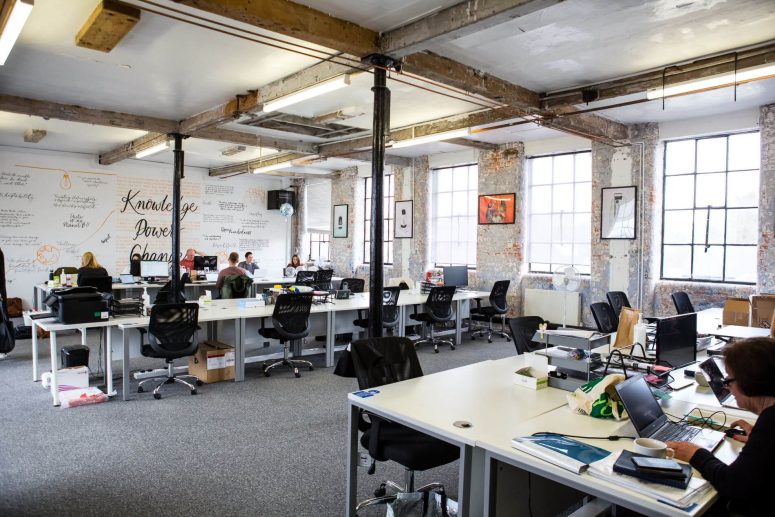
Office Viewing Checklist: 12 Questions to Ask Before Renting in Nottingham
An office viewing is your opportunity to test how a space would work on an ordinary Tuesday. Where would people take calls? Can clients find the entrance? What would you actually pay each month?
Photographs and floor plans help you shortlist properties, but they cannot answer every practical question. Take this office viewing checklist to each Nottingham appointment, record the answers and ask for anything important in writing. You will leave with a clearer comparison and fewer assumptions to resolve later.
Before you arrive
Bring your expected maximum daily headcount, a rough furniture list, your budget ceiling and a phone or laptop. Include anyone who understands your IT or accessibility requirements. Ask permission before taking photographs or testing the connection.
If possible, visit during your usual working hours. A quiet room at lunchtime may feel different when neighbouring businesses are busy. Try the journey your team would make, including the walk from the bus stop, tram stop or parking space.
1. What is the full monthly amount we would pay?
Ask for the rent and a separate list of everything included, excluded or charged according to usage. Check utilities, internet, cleaning, shared facilities, meeting rooms and any service charges. Ask whether the quotation includes VAT and how business rates are handled.
Record the complete figure rather than relying on a headline price. Our guide to the factors that influence office rental costs provides background for comparing different packages.
2. Will the usable layout fit our busiest day?
Walk through where desks, chairs, storage and equipment would go. Account for people moving around, opening cupboards and speaking to visitors. An attractive floor area can still be awkward if doors, columns or narrow sections interrupt the layout.
Bring furniture measurements and sketch a realistic arrangement. Use our article on planning how much office space you need to start your requirements list, then check the actual room against your current working practices.
3.Can we work comfortably with the light, temperature and noise?
Stand where the desks would sit. Look for screen glare, nearby noise and how the room feels with the door closed. Ask how heating and ventilation are controlled and whether conditions change across the day or seasons.
For teams handling confidential calls, ask whether you can hear conversations from adjoining rooms. Note anything requiring a second visit, especially if your first appointment happens outside normal working hours.
4. Does the internet support our actual workload?
Ask about connection arrangements, upload and download performance, shared capacity and support when something goes wrong. Explain your workload: several simultaneous video calls, large design files or specialist software may need a different setup from basic email.
With permission, test a call or connection from the room itself. Confirm whether a private network or wired connection is available and whether either would cost extra. A single speed test is useful evidence, but it does not establish performance throughout the week.
5. Can everyone enter and use the building comfortably?
Follow the complete route from the street to the office, including doors, stairs, lifts where available and shared toilets. Discuss specific employee and visitor access needs rather than assuming that an accessible entrance means every part of the building will work.
Ask how deliveries and visitors are admitted. If clients regularly bring equipment or materials, check the practical route and any restrictions on delivery times.
6. What access and security arrangements apply?
Confirm when your team can enter, how keys or fobs are issued and what happens if someone loses access. Ask about visitor procedures, locking the individual office and reporting a security concern.
If you expect to work early or late, inspect the entrance route and ask how support works outside normal hours. Building access and an attended reception are different services; establish which arrangements apply to the office you are viewing.
7. Which shared facilities can we use, and on what terms?
Visit the kitchen, toilets and breakout areas rather than viewing them only in photographs. Ask how meeting rooms are booked, whether usage is included and what happens when demand is high.
Check whether shared spaces suit your daily routine. A team that meets clients twice a week needs a clearer booking arrangement than one that only holds occasional internal discussions.
8. What furniture and equipment will be there on move-in day?
Ask for an inventory of anything supplied with the unit. Viewing furniture may belong to an existing tenant or be used for presentation, so confirm desks, chairs, storage and fittings individually.
Look at socket positions and where equipment would sit. Establish what you would need to buy, move or install, and ask whether any proposed electrical or network changes need permission.
9. Who handles cleaning, faults and repairs?
Separate cleaning inside your office from cleaning communal areas. Ask who reports faults, how urgent problems are handled and which maintenance responsibilities belong to the tenant.
Record visible damage or unfinished work and request confirmation of what will be addressed before occupation. Keep an agreed condition record so everyone starts with the same understanding of the space.
10. What are the start date, minimum term and leaving arrangements?
Ask when the unit will actually be ready, how long you must commit and what notice is required. Confirm deposits, payment dates and any charges associated with leaving or returning the office to its agreed condition.
Request the written agreement before making a commitment. If your business needs a particular departure date or flexibility, check that the documents reflect it.
11. What changes can we make, and what happens if we grow?
Discuss furniture layouts, decoration, signage and any specialist equipment. Ask which changes need written permission and whether they must be reversed when you leave.
If recruitment is planned, ask about the process for moving into another unit. Treat expansion as something to confirm when needed, because future availability cannot be assumed from today’s viewing.
12. What must we receive before making a decision?
Finish by requesting a written quotation, the inclusion list, proposed agreement, deposit details and confirmation of the intended move-in date. Add any promised repairs or agreed changes to your follow-up request.
Mark unanswered questions clearly. A good viewing should produce evidence you can compare, even if some answers need to follow by email.
Put your checklist to work
Compare completed records while the details are fresh. Prioritise requirements that affect whether your team can work effectively, then review preferences such as décor or views.
To arrange a visit to Oldknows Factory, explore our office rental options in Nottingham and send an enquiry with your headcount, preferred move-in date and essential requirements. Bring your completed brief so the viewing can focus on the details that matter to your business.
Frequently asked questions
What should I bring to an office viewing?
Bring your maximum daily headcount, furniture measurements, a budget limit and a list of essential requirements. A phone or laptop can help you record observations and, with permission, test connectivity. Take a separate viewing record for each property.
Should I view an office during working hours?
Yes, where possible. A working-hours visit helps you assess noise, shared facilities and the journey your team would make. If you often work early or late, ask about another visit at that time to check access and the surrounding route.
How can I check whether an office is big enough?
Sketch the proposed layout using your actual furniture sizes and busiest expected attendance. Include storage, movement around desks and somewhere for calls or visitors. Ask for room dimensions, then verify that the arrangement works in the space you are viewing.
What should I request after an office viewing?
Request a written quotation, a detailed inclusion list, the proposed agreement and confirmation of the move-in date. Ask for written answers to unresolved questions, plus any promised repairs or alterations. Review these documents together before deciding whether to proceed.
How do I compare two offices after viewing them?
Compare total monthly costs, upfront cash requirements, usable layout, connectivity, access and contract flexibility. Use the same checklist for both properties. Mark essential requirements separately from preferences, and resolve missing information before allowing a lower advertised rent to decide the outcome.
